Crimson Desert: The Story Falls Flat, So Why Do I Keep Booting It Up?
Translated from the original Korean post. 한국어 원문 보기 →
A game people still can't agree on, two weeks after launch
Pearl Abyss shipped Crimson Desert in March 2026. Two weeks in, the reviews have a hole in the middle. Half of them are praise, half are pans, and almost nothing sits between. Metacritic PC: 77 from critics, 8.8 from users. That gap tells you most of what you need to know about this game.
Critics are looking at one thing. People actually holding the controller are looking at something else. My first hour was mostly "what am I even playing?" — and then I kept turning it back on. It runs on PS5, Xbox Series X|S, Steam, and Epic, so getting to it isn't the problem.
Here's what I've picked up from actually living with it.
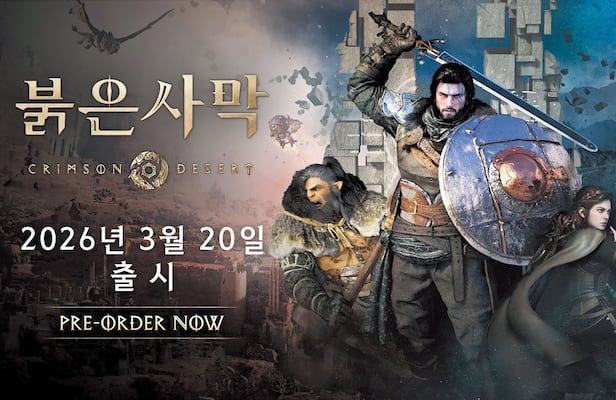
The story is weak. And yet.
If you came for a proper narrative-driven open-world RPG, you'll be disappointed. Several outlets landed on some version of "more compelling as a sandbox than as a story." The narrative pull just isn't there.
Cliff's voice actor apparently said the center of the story kept shifting during development. Sounds like the team knows.
I've seen this shape before. Run enough projects and you learn to spot the output of one that changed direction three times mid-flight. Every feature is in the box, but the spine wobbles. Crimson Desert's story reads exactly like that. There are well-crafted pieces in there. What's missing is the thread holding them together.
But that's not the whole game. The good part is somewhere else entirely.
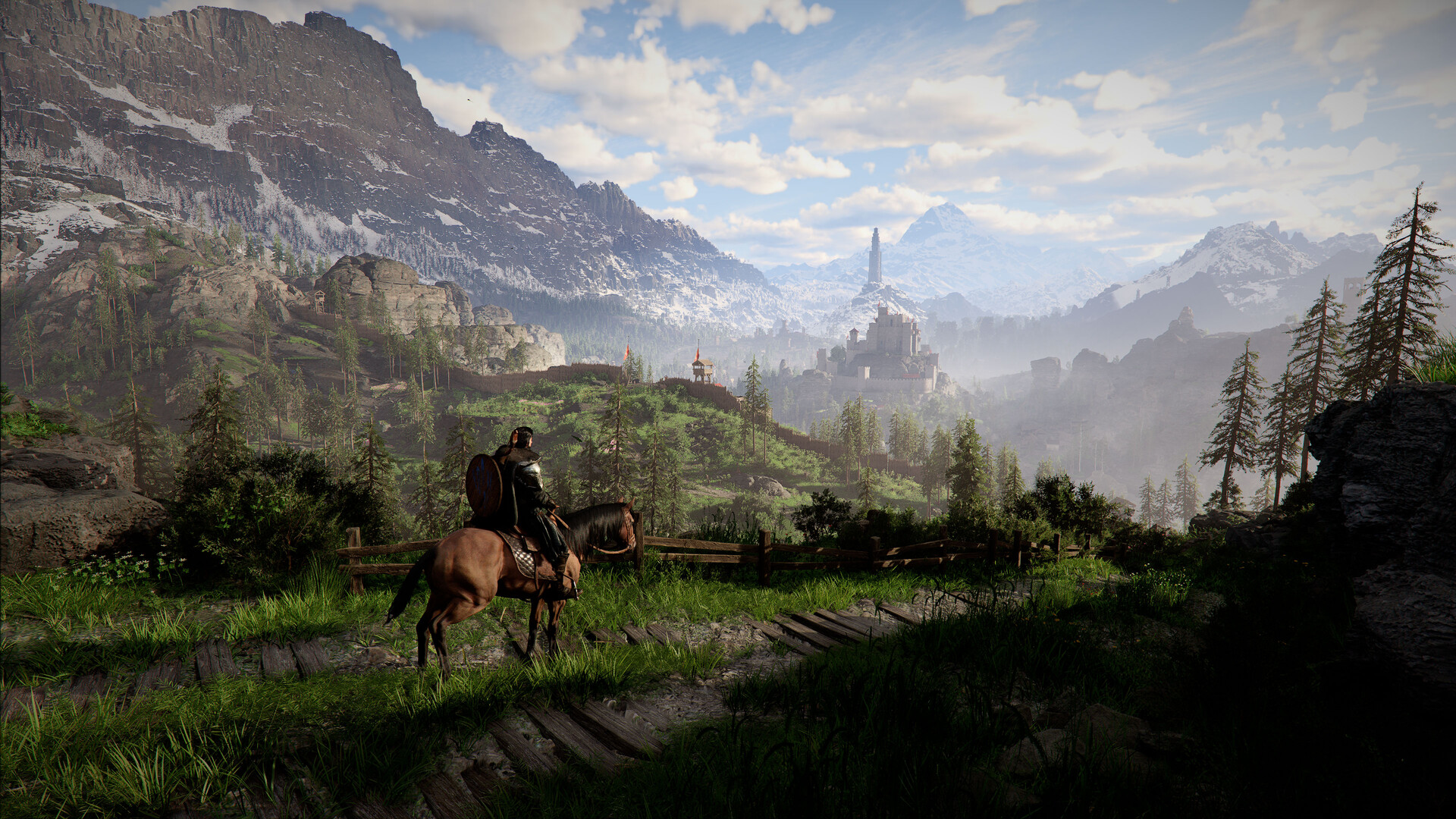
The graphics are staggering
You crest a hill, push through some trees, hit a cliff edge, and the view opens up. That's the moment where you say out loud that a Korean studio built this.
The world is gorgeous. That's the one thing basically every outlet agreed on. Graphics, world density, the payoff you get just from wandering — top tier.
One review called it less a polished masterpiece and more a sprawling, messy fantasy simulation that keeps you exploring. That nails it. The content isn't a tidy narrative arc; the dense world is the content.
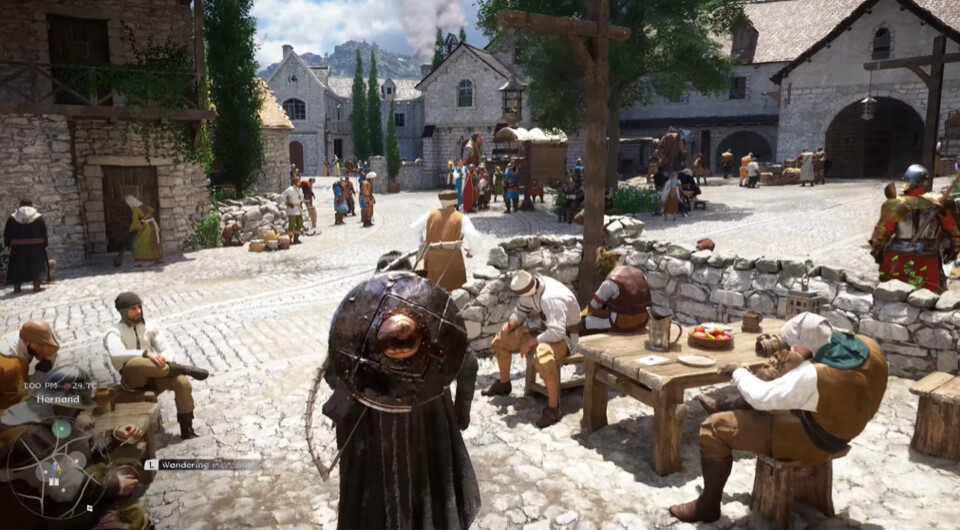
Weirdly hard to put down
Crimson Desert isn't a tightly constructed epic. It's closer to a game where every idea and system got shoved in. One moment you're in an enormous gladiatorial boss fight, the next a random minigame or puzzle drops on you. Camp management, bonding with animals, collecting mounts, life sim bits, minigames. If it could go in, it went in.
Consistency? Not much. But flip that around and it means there's always something new to poke at, even in a loose one- or two-hour session. This isn't a game you binge for the story. It's one you keep coming back to in small doses.
That design cuts both ways. Pile enough systems on top of each other and the first impression is "wow, there's a lot here" — but if the connective tissue between them is rough, fatigue sets in fast. Crimson Desert somehow keeps producing a new kind of fun right before that fatigue lands.
Fast patches, and credit where it's due
The worst thing at launch was how it felt to control and how much friction the UI added. Pearl Abyss publicly acknowledged it within 36 hours of release. Then they moved, fast.
The patch history:
| 패치 버전 | 날짜 | 주요 개선사항 |
|---|---|---|
| 1.00.03 | 3월 23일 | 캠프 보관함 추가, 조작 개선 |
| 1.01.00 | 3월 29일 | 달리기 입력 완화, 비행 스태미나 감소, UI 개선 |
| 1.01.02 | 4월 초 | DLSS 관련 그래픽 이슈 개선 |
| 1.01.03 | 4월 중 | 보스 전투 버그 수정 |
Those patches mattered because the core of this game is the loop of roaming, fighting, and stumbling onto something. Choke the controls and the UI and that strength dies on the spot.
From an ops perspective, how fast you respond in week one is itself a trust signal. Admitting the problem within days and fixing the critical path first means the team knows exactly where the pressure points are. Steam reviews climbed from negative at launch to "Very Positive," and concurrents passed 270,000. Points lost on first impression, won back through operations.
So where does that leave it
One line:
Not a story-driven masterpiece, but a game with a pull you can't quite explain.
The narrative structure isn't clean and neither is the UI/UX. What stays with you is the visual scale, the density of the world, the pull of exploration, and combat that feels good in the hands.
And that inexplicable pull is the important part. Hard to articulate. Definitely there.
Games that are only beautiful don't last. Games that are only stuffed with content burn you out. Crimson Desert lands somewhere in between and holds. The parts that work hit hard, the parts that don't are genuinely annoying, and those hard-hitting moments keep pulling the controller back into your hands.
Wrapping up
I wish the story were better too. I want sharper emotional writing for the characters and a much denser main quest.
Still not inclined to dunk on it. A Korean studio pulling off this scale, this ambition, and this level of tech is worth something on its own. Shipping an open world this size — actually finishing it and getting it out the door — takes more than technical chops.
Crimson Desert isn't a great game. It is a memorable one. Honestly, that's rare now. The kind you complain about while playing, and log back into while still complaining.
If you haven't played it, go in for the exploration and the visuals, not the story. You'll probably stick with it far longer than you expect.
Was this post helpful?
One click helps me write the next one